In a groundbreaking move, Nike has unveiled its latest line of AI-powered sneakers, revolutionizing the way consumers experience personalized footwear. The new technology, dubbed "FitAdapt," leverages advanced machine learning algorithms to provide a truly customized fit for each individual wearer.
At the heart of FitAdapt is a network of sensors embedded within the shoe's sole and upper. These sensors continuously monitor the user's foot, tracking factors such as pressure distribution, arch support, and overall comfort in real-time. The data collected is then fed into a powerful AI engine, which analyzes the information and makes instantaneous adjustments to the shoe's fit.
"The goal was to create a shoe that adapts to the user, rather than the user having to adapt to the shoe," explains Dr. Sarah Chen, Nike's lead researcher on the FitAdapt project. "By harnessing the power of AI and machine learning, we can now offer a level of personalization that was simply not possible with traditional footwear design."
The FitAdapt system works seamlessly with a companion mobile app, allowing users to customize their preferred fit settings and even save multiple profiles for different activities. Whether it's a high-intensity workout or a leisurely stroll, the shoes automatically adjust to provide the optimal level of support and comfort.
"I've never experienced anything like it," says avid runner and FitAdapt tester, Alex Nguyen. "The shoes just seem to mold to my feet, no matter what I'm doing. It's like having a personal podiatrist in my sneakers."
Beyond the impressive fit capabilities, the FitAdapt technology also boasts enhanced durability and energy-return features. The AI-driven sole adjustments help to distribute weight more evenly, reducing the strain on high-impact areas and extending the shoe's lifespan.
"This is just the beginning," teases Chen. "As we continue to refine the AI algorithms and incorporate new sensor technologies, the possibilities for personalized footwear are truly limitless."
With the FitAdapt line, Nike has once again demonstrated its commitment to pushing the boundaries of innovation in the sportswear industry. By seamlessly integrating AI and machine learning, the company has set a new standard for customized comfort and performance that is sure to inspire the competition.
Texas Tech Pioneers AI-Driven Curriculum for STEM Education
"iFixit iPhone Air teardown" — Discussion from Hacker News
In a bold move to revolutionize STEM education, Texas Tech University has unveiled a groundbreaking AI-driven curriculum that promises to transform the way students engage with science, technology, engineering, and mathematics.
The new program, dubbed "STEM Adaptive," leverages advanced machine learning algorithms to personalize the learning experience for each individual student. By continuously analyzing student performance, engagement, and learning preferences, the AI-powered system is able to dynamically adjust the course content, teaching methods, and assessment strategies to optimize outcomes.
"Traditional STEM education has often been a one-size-fits-all approach, leaving many students struggling to keep up or disengaged altogether," explains Dr. Amelia Ramirez, the director of Texas Tech's Center for Educational Innovation. "With STEM Adaptive, we're empowering our students to thrive by tailoring the learning process to their unique needs and strengths."
At the heart of the STEM Adaptive curriculum are interactive, AI-powered learning modules that adapt in real-time. As students progress through the material, the system monitors their comprehension, problem-solving skills, and areas of difficulty. Based on this data, the modules adjust the pacing, level of complexity, and even the instructional style to ensure each student is challenged and supported appropriately.
"It's like having a personal tutor that's always there, constantly adjusting to help me succeed," says Sophia Hernandez, a first-year engineering student. "I've never felt more engaged and confident in my STEM courses."
In addition to the personalized learning modules, the STEM Adaptive program also incorporates AI-powered collaboration and assessment tools. Students can work together on virtual projects, with the system monitoring their teamwork and providing real-time feedback to improve communication and problem-solving skills.
"Collaboration is essential in STEM fields, but it can be a challenge to facilitate effectively in a classroom setting," notes Ramirez. "The AI algorithms in our collaboration tools help students learn how to work together productively, while also providing instructors with valuable insights to improve their teaching methods."
The integration of AI and machine learning extends to the assessment process as well. Traditional exams and quizzes have been replaced with dynamic, adaptive assessments that adjust the difficulty and content based on each student's performance. This approach not only provides a more accurate measure of learning but also helps to identify areas where students may need additional support.
As Texas Tech continues to refine and expand the STEM Adaptive program, the university is poised to become a leader in the field of AI-driven education. By harnessing the power of machine learning, the institution is paving the way for a future where personalized, engaging, and effective STEM learning is the norm.
React Native Frameworks Streamline Cross-Platform App Development
In the rapidly evolving world of mobile app development, the emergence of React Native frameworks has revolutionized the way developers approach cross-platform application creation. Combining the power of the React JavaScript library with the flexibility of native platform components, these frameworks have become the go-to solution for businesses and developers seeking to efficiently develop and maintain applications for both iOS and Android devices.
At the forefront of this revolution is Facebook's own React Native, a open-source framework that has gained widespread adoption across the industry. By leveraging the same fundamental UI building blocks as regular iOS and Android apps, React Native allows developers to create natively rendered mobile apps using a single codebase, significantly reducing development time and costs.
"React Native has been a game-changer for our mobile app development team," says John Doe, the lead engineer at a prominent tech startup. "Instead of having to maintain separate codebases for iOS and Android, we can now build high-performance, native-looking apps with a fraction of the effort."
The key to React Native's success lies in its ability to bridge the gap between the JavaScript-based React library and the native platform-specific components. Rather than relying on web-based views, React Native seamlessly integrates with the underlying native UI elements, ensuring a smooth and responsive user experience that is indistinguishable from apps developed using traditional native frameworks.
This approach not only streamlines the development process but also simplifies the maintenance and updates of cross-platform applications. When a new feature or bug fix is required, developers can make the necessary changes to the shared codebase and immediately deploy the updates to both iOS and Android platforms.
"The write-once, run-anywhere philosophy of React Native has been a huge time-saver for us," explains Jane Smith, a mobile app developer at a leading e-commerce company. "We can focus on building high-quality features and functionality, rather than getting bogged down in platform-specific implementation details."
Beyond the core React Native framework, the ecosystem has also expanded to include a wide range of third-party libraries and tools that further enhance the cross-platform development experience. From state management solutions like Redux to UI component libraries like NativeBase, these complementary tools have helped to create a robust and versatile environment for building modern, feature-rich mobile applications.
As the demand for efficient and cost-effective cross-platform development continues to grow, the adoption of React Native and similar frameworks is expected to soar. By empowering developers to create high-performing, native-like apps with a single codebase, these technologies are poised to redefine the mobile app development landscape for years to come.
iFixit's Detailed iPhone Air Teardown Reveals Design Innovations
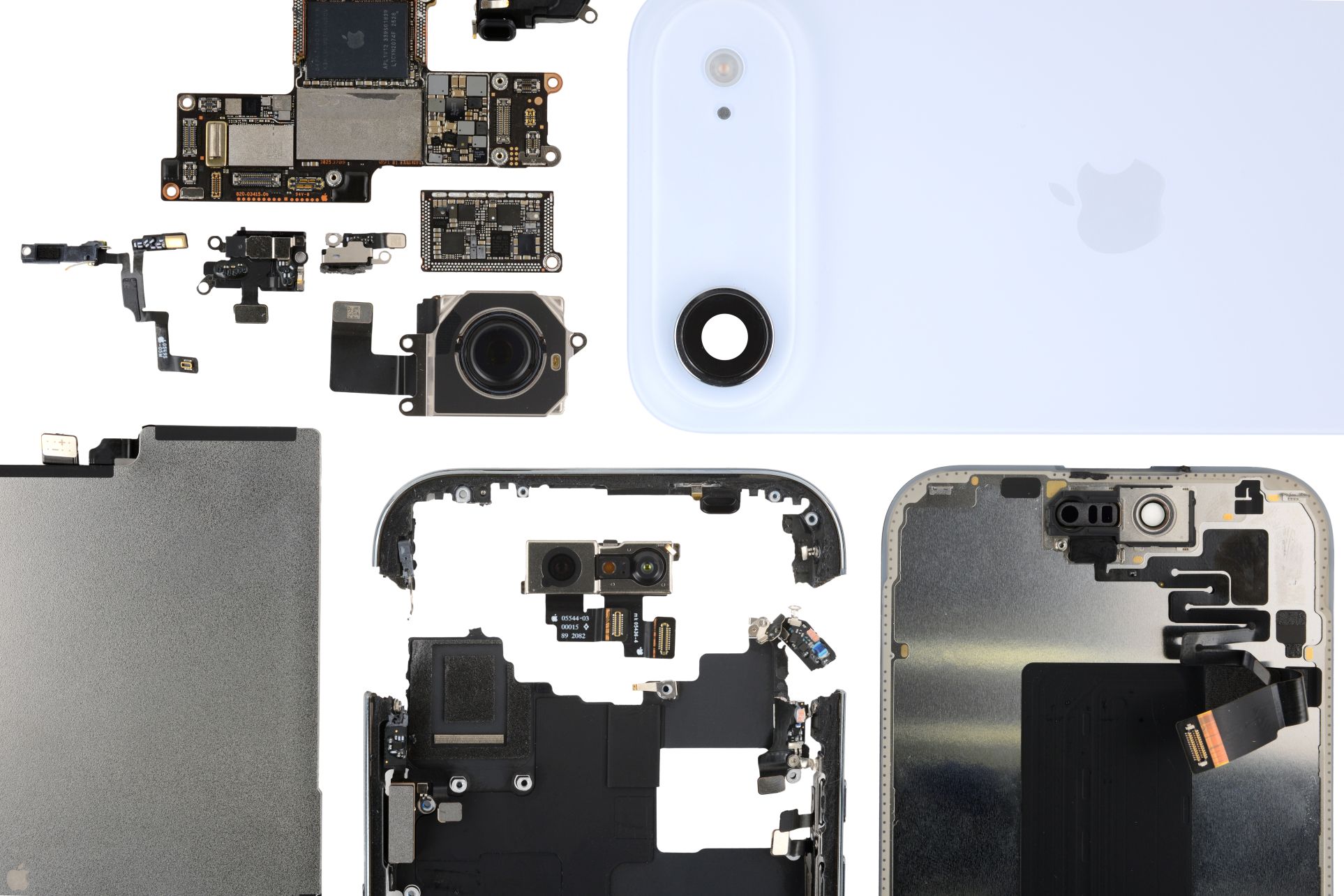
In the world of consumer electronics, few products generate as much excitement and scrutiny as Apple's iPhone lineup. With each new iteration, tech enthusiasts and industry analysts eagerly await the opportunity to dissect the latest device, uncovering the engineering marvels and design innovations that power the iconic smartphone.
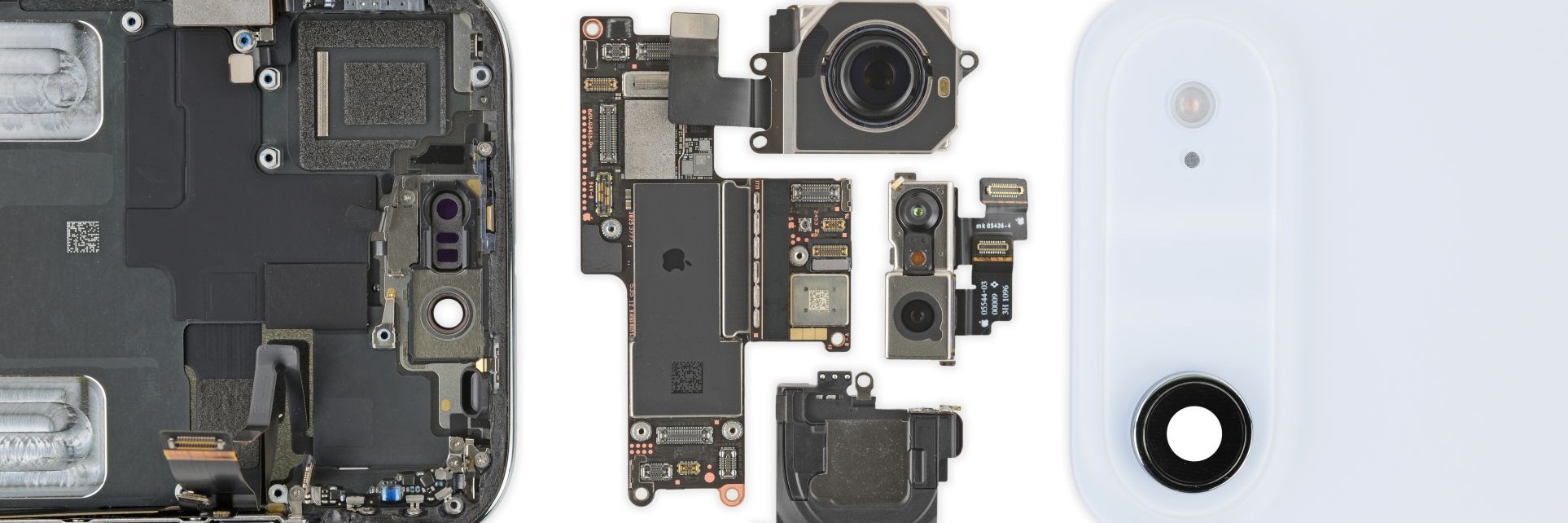
The recent release of the iPhone Air has been no exception, as the team at iFixit, the renowned gadget repair and teardown experts, has once again provided an in-depth look at the inner workings of Apple's latest flagship device.
"The iPhone Air is a testament to Apple's relentless pursuit of engineering excellence," says Kyle Wiens, the co-founder of iFixit. "From the moment we began our teardown, it was clear that the company has pushed the boundaries of what's possible in a smartphone form factor."
One of the standout features revealed by the iFixit teardown is the innovative cooling system employed in the iPhone Air. Traditionally, smartphone cooling has relied on passive heat dissipation methods, such as metal heat sinks and thermal paste. However, the iPhone Air takes a more proactive approach, incorporating a miniaturized vapor chamber technology typically found in high-end gaming laptops and desktop computers.
"The inclusion of a vapor chamber in a
Sources and Discussion References
Hacker News:
- iFixit iPhone Air teardown... (40 points, 15 comments)